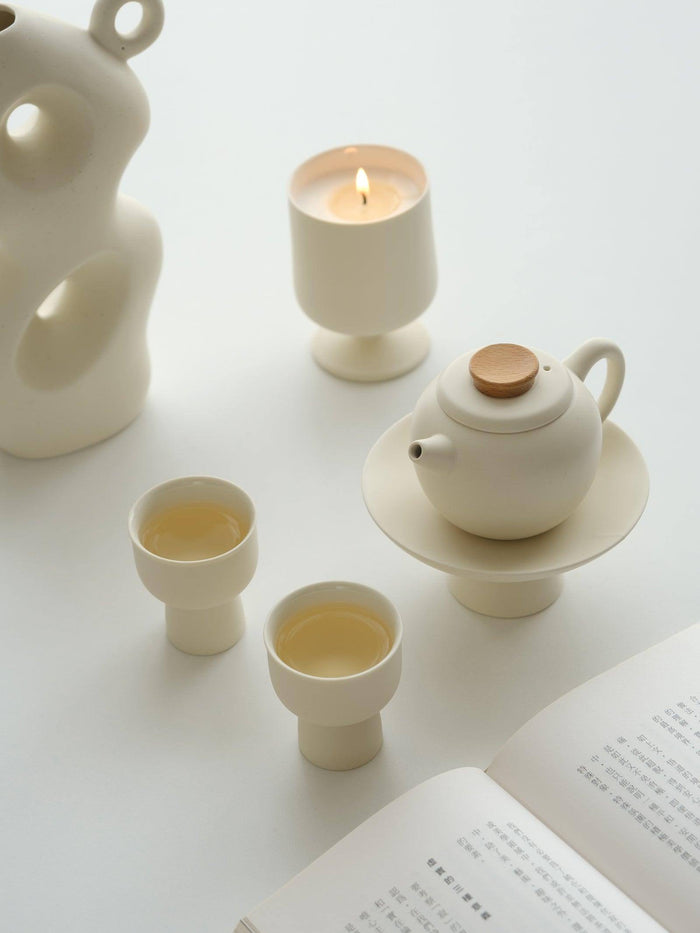
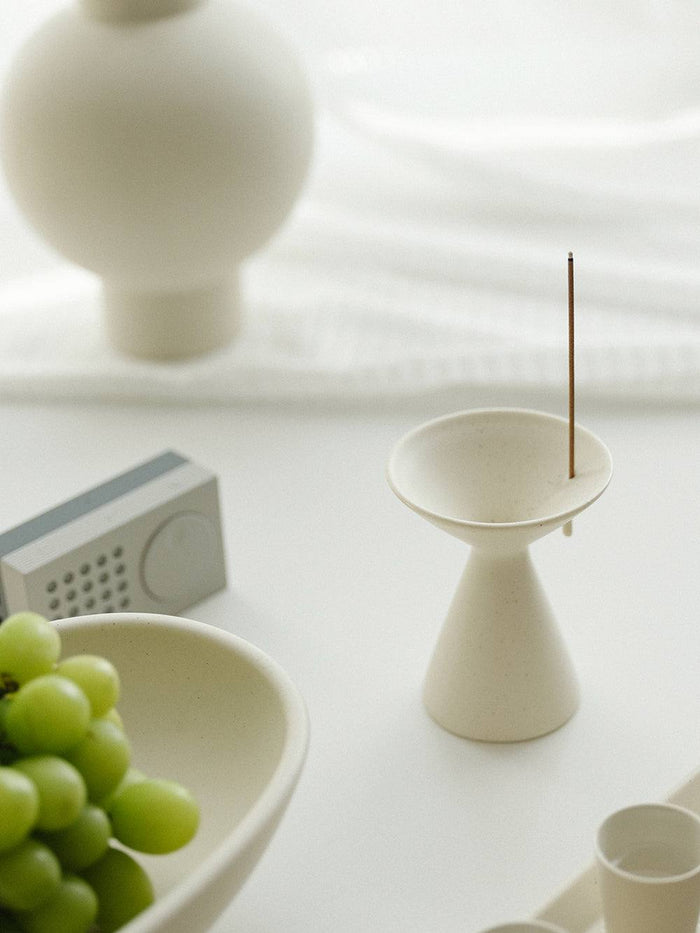
A light tea set soft floor styling approach works best when the nearby surface stays edited. Leave one usable edge open and let the main shape do the quiet work.
Read the Room Before Adding More
Look first at the room already in front of you. Here, the scene is a tea surface where the light tea set stays close to the useful tools without filling the whole table. The arrangement needs to answer that setting rather than advertise a single object.
Light tea set styling belongs in the only when it names something visible: spacing, scale, material, or how the surface is used. The room does not need more objects; it needs a clearer edit. The useful details are ordinary ones: how much surface is left open, how the object relates to nearby pieces, and what can be changed without remaking the whole room.
Start with what the hand does in this corner. If the piece is used for tea, scent, coffee, or serving, it needs a path back to daily use. Keep that path visible in the arrangement: a cup within reach, a tray edge left clear, or a small gap where the object can be picked up without moving everything around it.

Use One Clear Styling Anchor
In this setting, the light tea set is the anchor because it is a grounded WENSHUO HOME piece that should clarify the room rather than make the setting feel staged. Let it carry one job clearly before adding more decorative layers. Choose the main object, keep one supporting texture nearby, and stop before the surface fills up. That is usually enough for a photograph and still believable when the corner returns to daily use.
Scale is the most important check. If the object is too small for the surface, it disappears; if it is too large, the whole setting feels staged. Use the surrounding edges in the photos as evidence. Sofa legs, plate rims, tray corners, textile folds, and empty tabletop space all help the reader understand proportion.
Color can stay quieter than the object itself. Instead of matching every piece, repeat one nearby tone once: a soft ceramic shade, a wood note, a folded textile, or the shadow of a metal handle. That small repeat is enough to make the corner feel connected.

Let the Close Details Guide the Eye
The soft floor edge in this scene is not just a background detail. It defines where the arrangement stops. When the tea set sits near that edge, the eye naturally follows the line between the floor and the object. Use that line to anchor the composition without adding more furniture.
Keep the floor area around the set clean. A stray cord, a dust bunny, or a mismatched rug edge will pull attention away from the tea set. The goal is to let the light tea set soft floor styling feel intentional, not accidental. A simple mat or a low tray can help define the zone without clutter.

Edit for Daily Use, Not Just Display
A tea set that looks good in a photo should also work when someone actually wants tea. That means leaving room for a kettle, a cup, or a small saucer. If the arrangement is too tight, it becomes a still life instead of a usable corner.
Test the setup by pretending to pour tea. If your hand bumps into something or you have to shift multiple items, the arrangement needs editing. The best light tea set soft floor styling leaves a clear path for the hand and keeps the surface from feeling crowded.

Frequently Asked Questions
What does light tea set soft floor styling mean?
It means placing a light-colored tea set near the edge of a soft floor surface, like a rug or carpet, while keeping the arrangement simple and functional. The goal is to let the tea set stand out without overcrowding the space.
How do I keep a tea set from looking staged?
Leave one side of the surface open and avoid adding too many decorative items. Focus on scale and spacing so the tea set feels like part of the room, not a display piece.
Can I use this styling for other objects?
Yes. The same principle applies to any small object near a floor edge. Keep the surface edited, use one anchor piece, and let the surrounding space breathe.