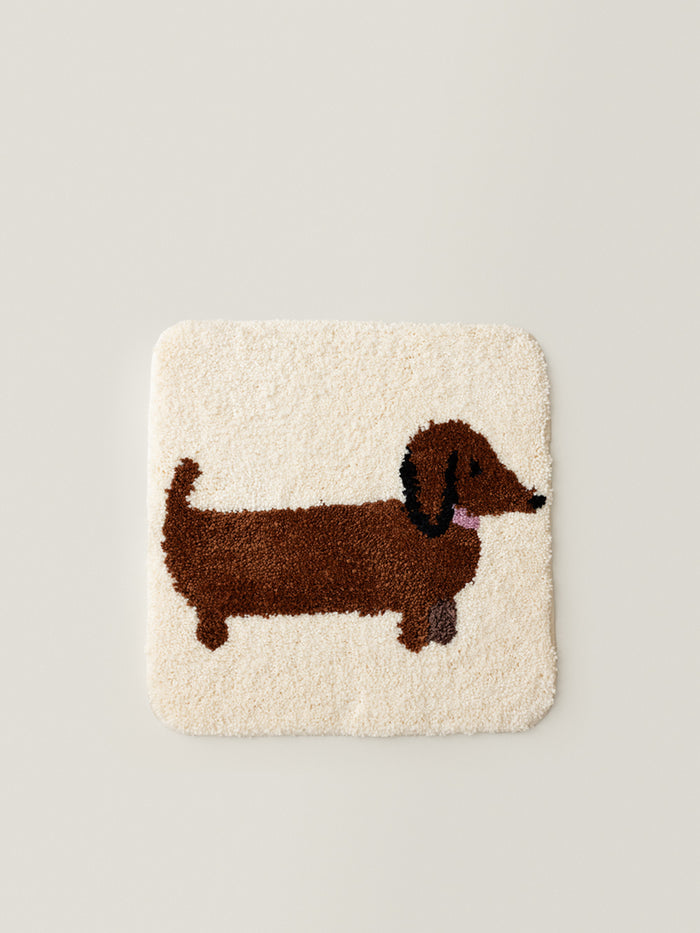
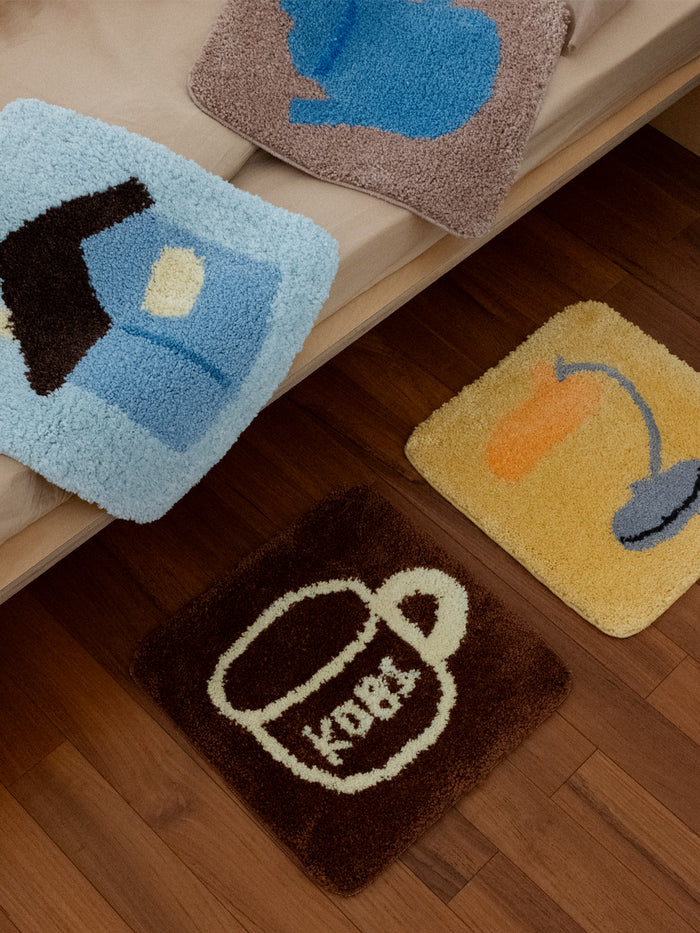
A playful seat pad works best as one clear accent in a small relaxed corner. When the nearby furniture stays simple, the whole arrangement feels calm instead of crowded. The key is to let the pad stand out without adding more objects.
Read the Room Before Adding More
Look first at the room already in front of you. In this small relaxed corner, the playful seat pad is meant to be a light accent while the nearby furniture stays simple. The arrangement needs to answer that setting rather than advertise a single object.
Playful seat pad small relaxed styling belongs in the only when it names something visible: spacing, scale, material, or how the surface is used. The room does not need more objects; it needs a clearer edit. The useful details are ordinary ones: how much surface is left open, how the object relates to nearby pieces, and what can be changed without remaking the whole room.
Start with what the hand does in this corner. If the piece is used for tea, scent, coffee, or serving, it needs a path back to daily use. Keep that path visible in the arrangement: a cup within reach, a tray edge left clear, or a small gap where the object can be picked up without moving everything around it.

Use One Clear Styling Anchor
In this setting, the playful seat pad is the anchor because it is a small textile accent that should be allowed to stand alone instead of competing with too many patterns. Let it carry one job clearly before adding more decorative layers. Choose the main object, keep one supporting texture nearby, and stop before the surface fills up. That is usually enough for a photograph and still believable when the corner returns to daily use.
Scale is the most important check. If the object is too small for the surface, it disappears; if it is too large, the whole setting feels staged. Use the surrounding edges in the photos as evidence. Sofa legs, plate rims, tray corners, textile folds, and empty tabletop space all help the reader understand proportion.

Let Color Stay Quieter Than the Object
Color can stay quieter than the object itself. Instead of matching every piece, repeat one nearby tone once: a soft ceramic shade, a wood note, a folded textile, or the shadow of a metal handle. That small repeat is enough to make the corner feel intentional without overwhelming the playful seat pad.
If the pad has a bright pattern, choose a neutral background piece like a plain cushion or a solid tray. If the pad is solid, a subtle pattern in a nearby throw or rug can add depth. The goal is balance, not competition.

Keep a Path Back to Daily Use
A small relaxed corner should still function. Leave room for a book, a cup of tea, or a phone. The playful seat pad should not block access to the seat or surface it sits on. Arrange it so someone can sit down without shifting everything first.
Check the arrangement by imagining a typical evening. Can you reach for a drink? Set down a plate? The corner should feel inviting, not precious. When the pad is placed with daily use in mind, it becomes a natural part of the room rather than a staged prop.

Frequently Asked Questions
How do I style a playful seat pad in a small corner without making it feel cluttered?
Keep the playful seat pad as the only accent in the corner. Choose one supporting texture nearby, like a plain cushion or a simple tray, and stop before the surface fills up. This playful seat pad small relaxed styling approach keeps the corner open and calm.
What should I avoid when using a playful seat pad in a small space?
Avoid adding too many patterns or objects around the pad. Let it stand alone as the main accent. Also avoid placing it on a surface that is too small or too large for its scale, as that can make the corner feel unbalanced.
Can I use a playful seat pad in a corner that gets daily use?
Yes. Leave room for everyday items like a cup, book, or phone. Arrange the pad so it does not block access to the seat or surface. When the pad is placed with daily use in mind, it becomes a natural part of the room.