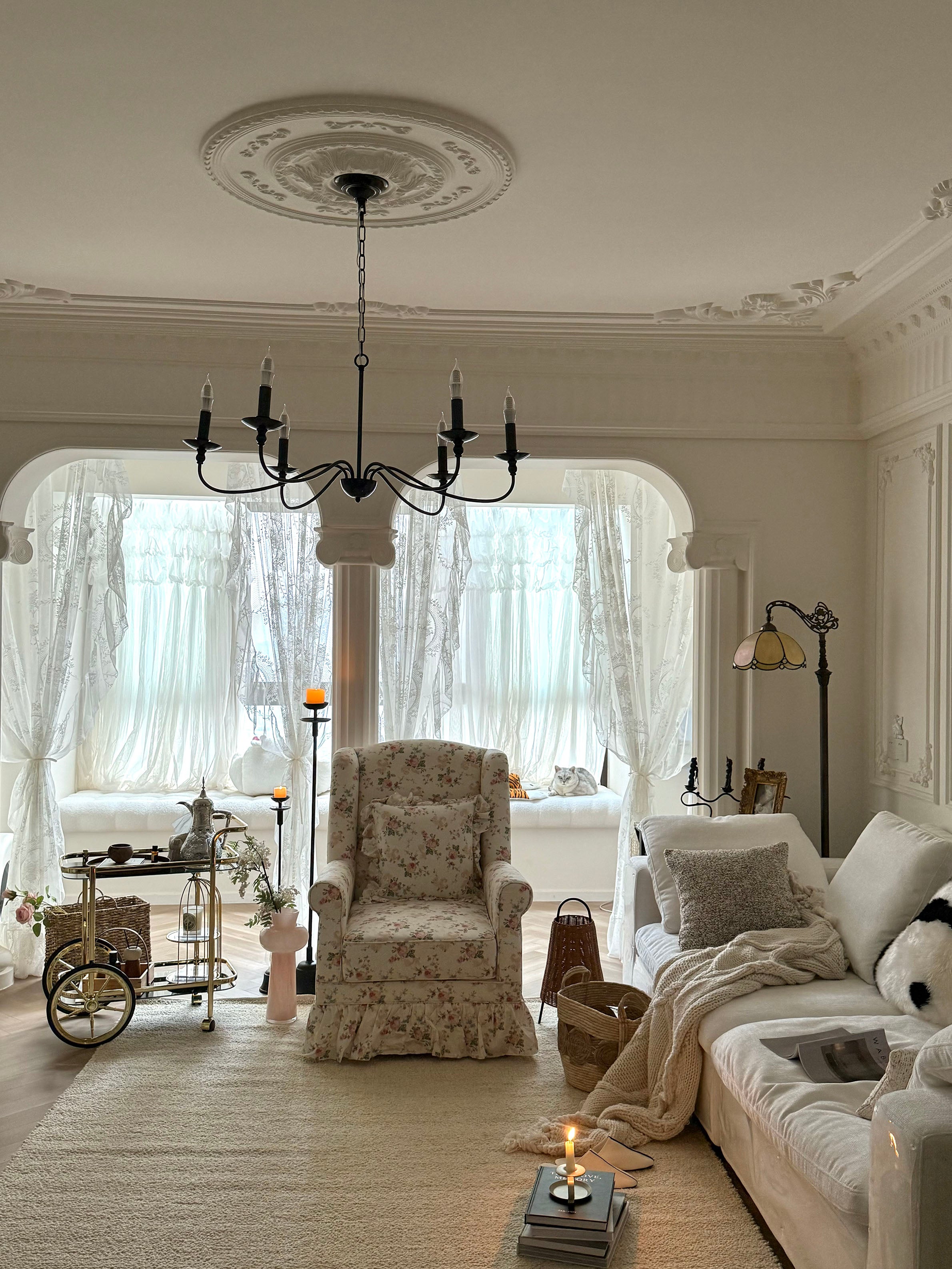
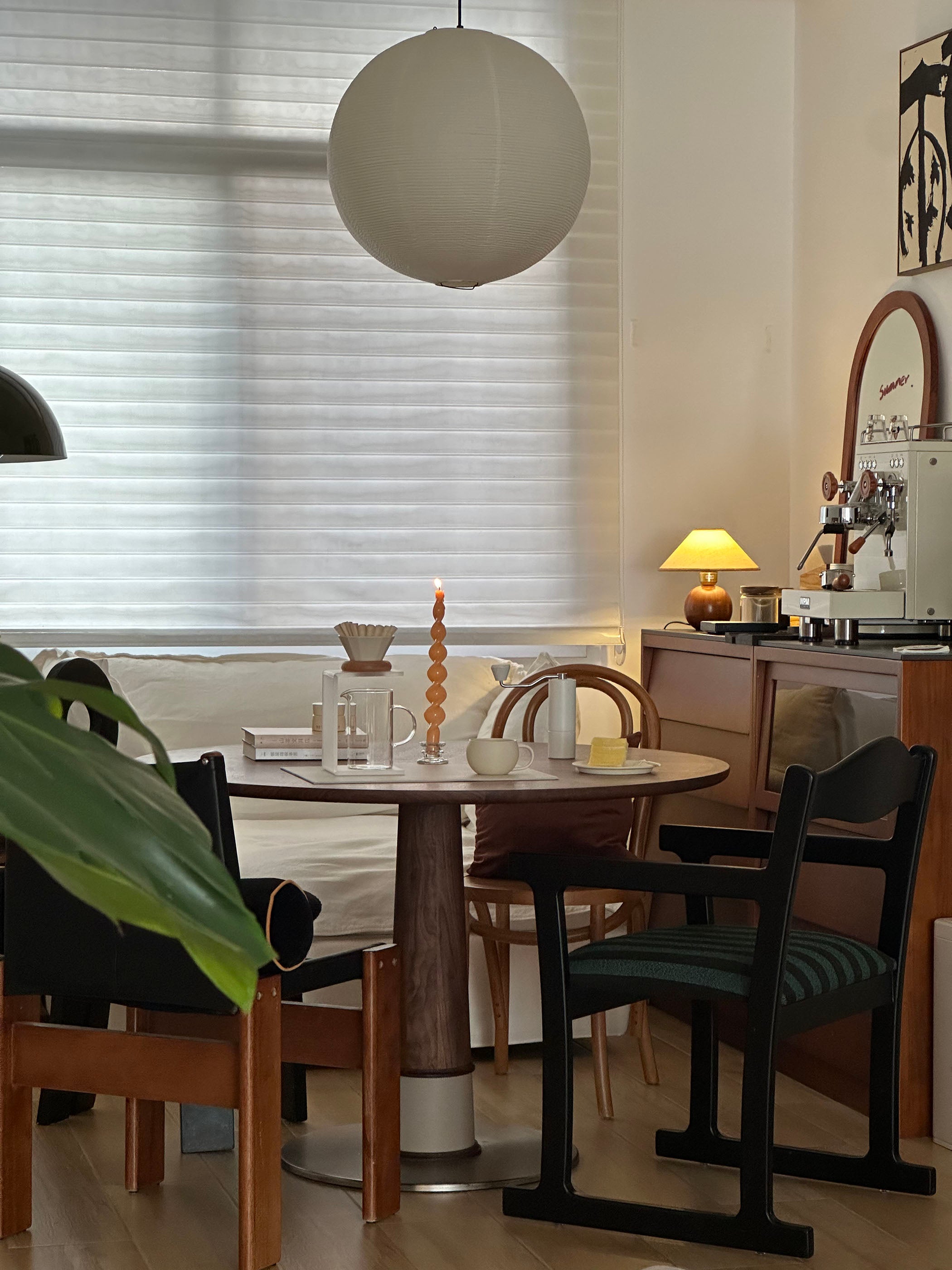
If you are searching for how to choose a cozy rug for a minimalist home, the best answer is not to buy the loudest piece in the room. A good rug should make the space feel softer, warmer, and more intentional while still leaving the room calm.
For WENSHUO HOME, a rug works best when it supports everyday rituals: bare feet beside the bed, a quiet reading corner, a small entryway, or a bathroom floor that needs a warmer touch. This guide explains how to choose rug size, color, texture, pattern, and placement without making a minimal room feel busy.
Quick answer: choose a rug by the job it needs to do. For a bedside, entryway, or bath area, use a compact soft rug. For a hallway or sofa edge, choose a longer runner-style shape. For a simple room that feels flat, add one quiet pattern or one softened color instead of several competing details.

1. Start With Placement, Not Pattern
Before looking at color or design, decide where the rug will live. This keeps the choice practical and stops the room from collecting decoration without purpose.
Bedside
A small rug beside the bed adds softness exactly where you step in the morning. This is the easiest place to use a cozy texture because the rug does not need to cover a large area.
Entryway
An entry rug should feel welcoming but still neat. Look for a shape that sits cleanly inside the door area without curling into walkways or furniture legs.
Bathroom Or Dressing Area
In a bathroom, vanity corner, or dressing area, compact plush rugs work well because they bring warmth without visually crowding the room.
Reading Corner
If you have a chair, side table, and lamp, a rug can define that small ritual area. A rounded or softly geometric rug helps the corner feel complete.
2. Choose Rug Size By The Room's Job
Minimalist homes often use negative space, so the rug should be big enough to feel intentional but not so large that it swallows the floor. As a simple rule, compact rugs around 70 x 42 cm or 75 x 45 cm work for bedside, entry, bath, and small accent zones. Longer rugs around 110 to 125 cm work better for hallways, sofa edges, or the side of a bed.
If the rug is placed near furniture, leave a little breathing room around it. That small margin makes the room feel composed instead of packed.
3. Keep Color Quiet, But Not Flat
A minimalist rug does not need to be beige. The better approach is to keep the palette low-contrast and connected to the room. Soft blue, khaki, caramel, grey, cream, and black-and-white patterns can all work if the rest of the space is restrained.
Use color to solve a specific problem. If the room feels cold, choose caramel, cream, or khaki. If the room feels too warm, a soft blue or grey can cool it down. If the room lacks structure, black-and-white stripes or checks can add definition without extra clutter.

4. Use Texture To Add Warmth
Texture is where a rug quietly changes the feeling of a room. A tufted or plush surface can make wood, tile, or stone flooring feel warmer, especially in winter or in rooms with simple furniture.
For a clean home-brand look, avoid mixing too many strong textures in one area. If the rug is plush, keep nearby textiles simple. If the rug has a pattern, keep pillows and bedding quieter.
5. Let One Pattern Do The Work
Pattern is welcome in a minimalist home when it has a clear role. Stripes can lengthen a small area. Checks can add order. Rounded shapes can soften straight furniture lines. Abstract patterns can bring personality, but they should be balanced by calm walls, simple furniture, and fewer decorative objects.
The goal is not an empty room. The goal is a room where every object has space to breathe.
Shop The WENSHUO HOME Rug Edit
These pieces are useful starting points because each one answers a different styling need: softness, structure, compact warmth, or a calm accent shape.
ALL DAY OFF Rug Series
A soft oval rug for bedside corners, small reading spaces, or rooms that need a gentle color accent.
Shop this rug
Classic Column Checkered Tufted Rug
A longer black-and-white check rug for hallways, sofa edges, or entry spaces that need structure.
Shop this rug
Column Shaggy Carpet
A simple striped carpet for a bedroom floor, vanity area, or quiet corner with a classic monochrome mood.
Shop this rug
Boxed Plush Rug
A compact plush option for bath, bedside, or dressing areas where softness matters most.
Shop this rugSimple Styling Formula
For a calm room, use this formula: one soft rug, one repeated color, one natural material, and one clear function. For example, a cream rug beside a wood bed, a black-and-white check runner in a narrow entry, or a soft blue oval rug beside a low chair can make a space feel finished without adding clutter.
When the rug has personality, let it be the main textile in that corner. When the room already has strong bedding, art, or furniture, choose a quieter rug so the room still feels settled.
FAQ
What rug color works best in a minimalist home?
Warm neutrals, soft grey, khaki, cream, muted blue, caramel, and restrained black-and-white patterns work well. Choose the color based on what the room needs: warmth, contrast, or softness.
How big should a rug be for a small room?
For bedside, entryway, bathroom, or small accent areas, compact rugs around 70 x 42 cm or 75 x 45 cm are often enough. For hallways or sofa edges, a longer rug around 110 to 125 cm usually feels more balanced.
Are patterned rugs good for minimalist decor?
Yes. Patterned rugs can work beautifully if the palette is restrained and the pattern has one clear role, such as adding structure, softening straight lines, or defining a small zone.
Where should I place a cozy rug?
Place it where the body notices comfort: beside the bed, at the entry, near a vanity, next to a reading chair, or in front of a sink or bath area.