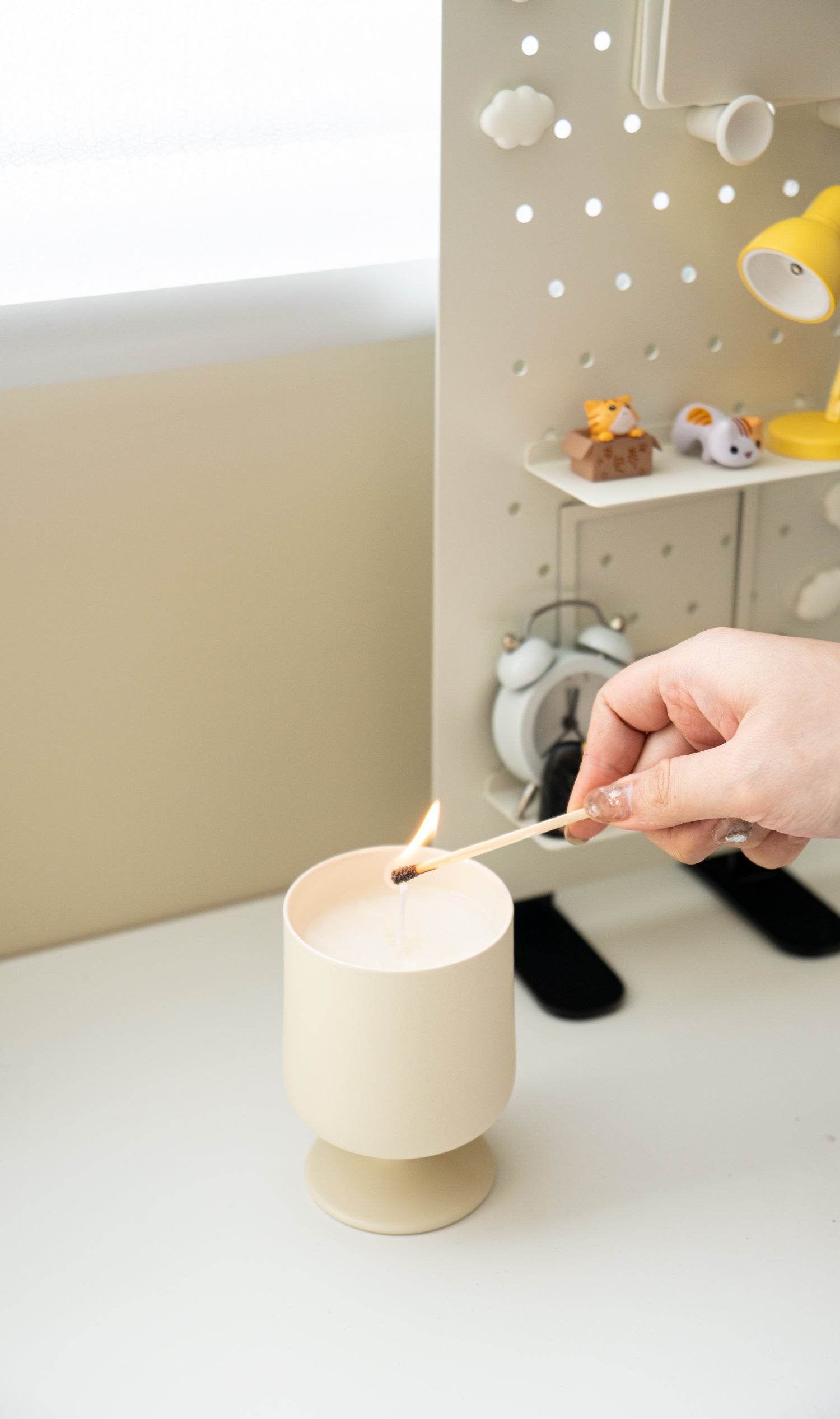
Pequeños reposa-utensilios para una encimera de té más ordenada
Una encimera de té concurrida puede desordenarse rápidamente. Colocar pequeños reposa-utensilios al alcance mantiene las cucharas y los palillos fuera de la encimera.
Evitar que los utensilios se extravíen
Después de preparar el té, la cuchara a menudo termina en la encimera. Esto deja una mancha húmeda o un anillo pegajoso.
Un pequeño reposa-utensilios de cerámica le da un lugar donde quedarse. Lo mismo ocurre con los palillos o un colador de té entre usos.

Elegir formas divertidas
Formas como flores, perros o gatos son fáciles de distinguir entre otros objetos. Llaman la atención y hacen que la encimera se sienta más ligera.
A los niños les pueden parecer divertidos, pero cualquiera puede usarlos para simplificar las rutinas diarias.
Límites a tener en cuenta
Estos pequeños reposa-utensilios funcionan mejor para un solo utensilio, no para herramientas más grandes. Su pequeño tamaño los hace fáciles de mover o extraviar.
Se limpian fácilmente, pero pueden necesitar un enjuague ocasional si se acumulan gotas de té.
Otros objetos pequeños que ayudan
Un plato de cerámica, un cuenco de postre o un portalápices mantienen otras piezas organizadas cerca.
Busca formas y acabados que combinen fácilmente en tu encimera, sin preocuparte de que cada detalle coincida.
Piezas relacionadas de WENSHUO HOME
Cuando las encimeras acumulan cucharas o palillos extraviados, un pequeño reposa-utensilios puede mantener las cosas más tranquilas. Elige formas sencillas y agrúpalas con otras bandejas o soportes pequeños.

Portalápices de Ladrillo
Antes de elegir un nuevo reposa-utensilios o soporte, verifica el tamaño de la encimera y qué utensilios usas con más frecuencia. Una pieza compacta debe encajar sin amontonar otros elementos esenciales.
Ver producto
Plato de cerámica Brim
Antes de elegir un nuevo reposa-utensilios o soporte, verifica el tamaño de la encimera y qué utensilios usas con más frecuencia. Una pieza compacta debe encajar sin amontonar otros elementos esenciales.
Ver producto
Taza de café Butter
Antes de elegir un nuevo reposa-utensilios o soporte, verifica el tamaño de la encimera y qué utensilios usas con más frecuencia. Una pieza compacta debe encajar sin amontonar otros elementos esenciales.
Ver producto
Cuenco de postre CHOCO
Antes de elegir un nuevo reposa-utensilios o soporte, verifica el tamaño de la encimera y qué utensilios usas con más frecuencia. Una pieza compacta debe encajar sin amontonar otros elementos esenciales.
Ver producto